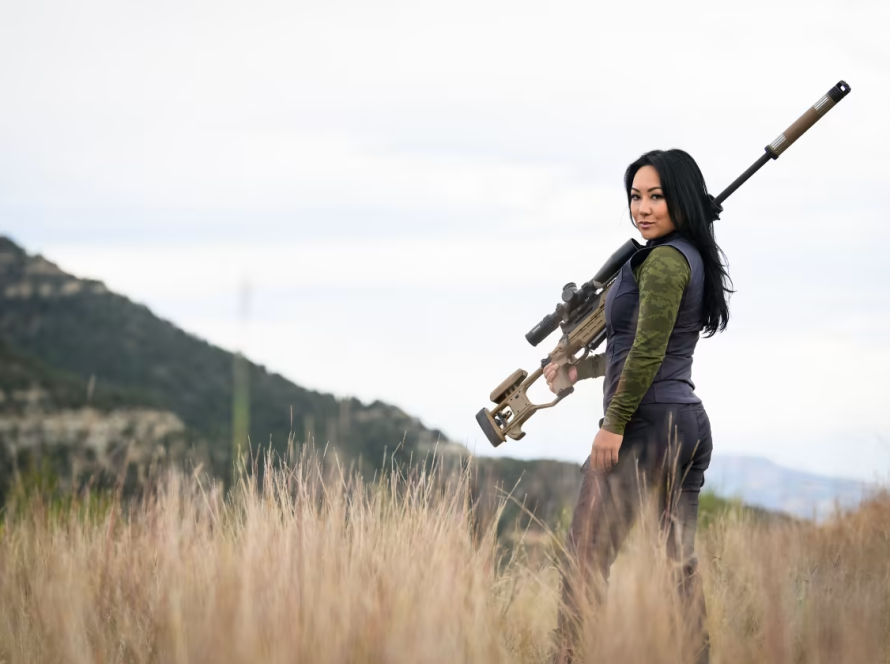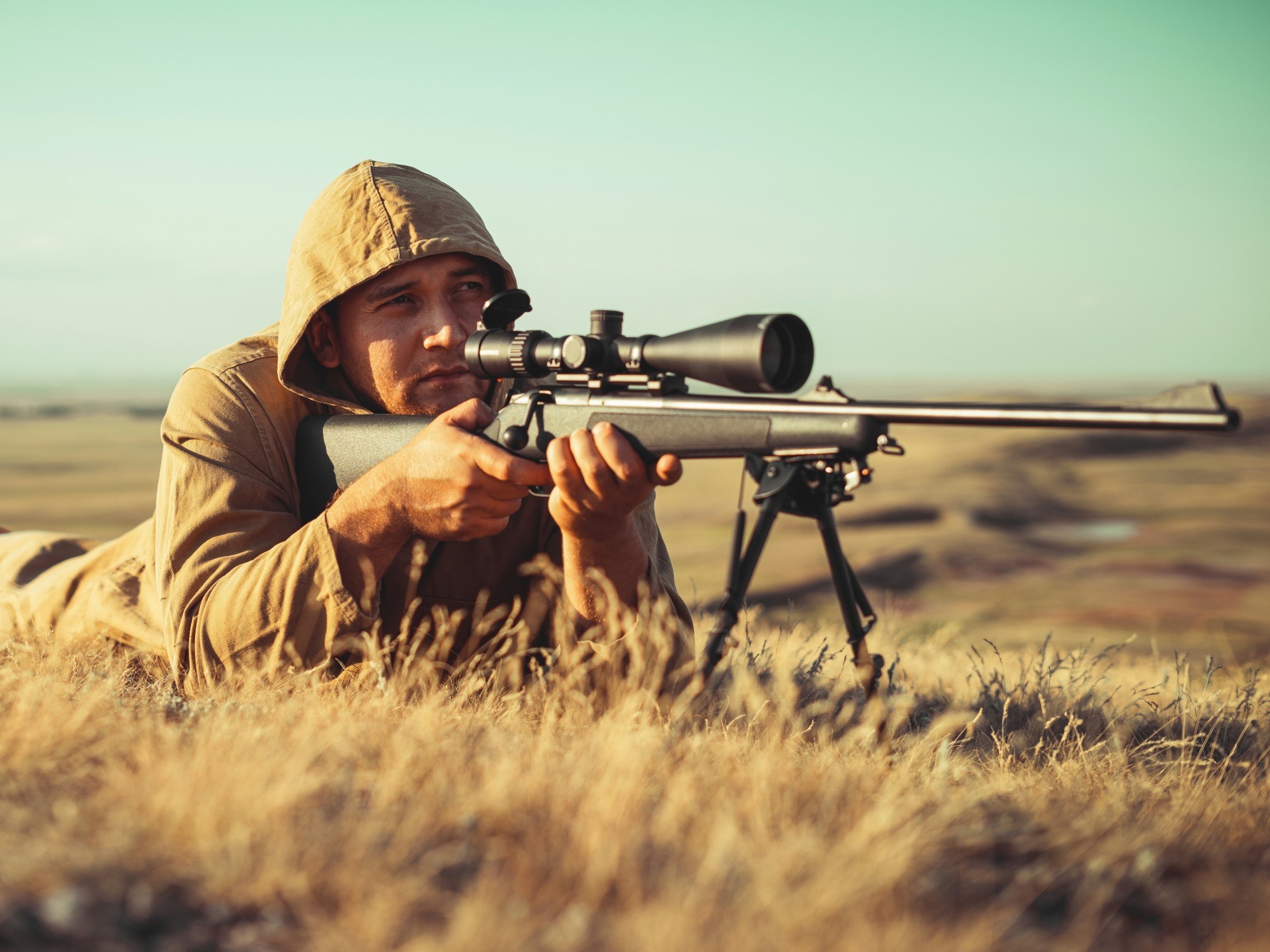
At Gridlock Arms and Outdoor, we understand the passion and skill of our hunting community. As dedicated hunters ourselves, we know the importance of being fully licensed to avoid unnecessary complications and ensure a smooth hunting experience.
Hunting in South Africa is subject to stringent regulations that are revised annually, making it crucial to stay updated on the latest laws. Here’s a comprehensive guide to help you obtain a hunting permit in South Africa and navigate the regulations effortlessly.

Hunting Permits
According to SA Hunters, the availability of hunting permits varies by province. These permits can typically be obtained from provincial offices of the state veterinarian, magistrate offices, post offices, hunting associations, and firearms dealers. Some provinces also offer online licensing and permit issuance.
A special permit is required to transport the meat of warthogs and bush pigs, issued per carcass. Note that the meat of cloven-hoof animals may not be transported from certain areas.
Firearm Ownership for Hunting and Sports Shooting
Owning a firearm for hunting and sports shooting in South Africa falls under Section 15 of the Firearm Control Act of the South African Police Service (SAPS). Here’s what you need to know:
- A person may possess four firearms under this section, including a non-fully automatic handgun, a non-fully/semi-automatic rifle or shotgun, or the barrel, frame, or receiver of such firearms.
- If a person holds a firearm license for self-defence (Section 13), they may only apply for three additional firearm licenses under Section 15, with a total limit of four firearms.
- The license issued under this section is valid for 10 years unless cancelled or terminated under the Firearms Control Act, 2000.
For more detailed information, visit the SAPS Firearms FAQ page.
Hunting Seasons and Permissions
Exempted Firearms: Landowners can apply for an exemption from provincial hunting regulations with the relevant environmental authority. This may be referred to as an exemption certificate or a Certificate of Adequate Enclosure, depending on the province.
Letters of Permission to Hunt: All provinces require hunters to obtain a letter of permission to hunt from the landowner or their representative. This letter also allows hunters to remove the meat of hunted animals from the property.
Steps to Obtain a Hunting Permit
1. Choose a Hunting Outfitter: Select a reputable hunting outfitter or professional hunter (PH) in South Africa. They often assist with the permit application process and provide guidance during the hunt.
2. Compile Necessary Documents: Gather the required documents, which may include:
- Passport
- Proof of identity
- Proof of residence
- A letter of motivation for the hunt
- Firearm documentation (if bringing your own firearm)
3. Apply for a Hunting Permit: Submit your application through the relevant authorities, typically the Department of Environment, Forestry, and Fisheries (DEFF).
4. Comply with Regulations: Ensure your hunt adheres to South Africa’s hunting regulations, including quotas, seasons, and permitted species. Regulations may change, so check with local authorities for the latest guidelines.
5. Pay Fees: Be prepared to pay any applicable fees associated with the hunting permit. These fees vary depending on the type of hunt and the species involved.
6. Firearms Permit (if applicable): If you plan to bring your own firearm, obtain a temporary firearms import permit from SAPS. This process can take time, so plan accordingly.
7. Wait for Approval: After submitting your application, wait for approval. Processing times vary, so start the application process well in advance of your planned hunt.
Preparation for the Hunt
When planning your next hunting trip, consider the following essentials:
- Verify all your permits and documentation are up-to-date.
- Ensure your firearms and equipment are in optimal condition.
- Familiarize yourself with the hunting area and local regulations.
- Plan for all eventualities, including weather conditions and emergency procedures.
For the most accurate and up-to-date information, contact relevant South African authorities such as the Department of Environment, Forestry, and Fisheries, or local provincial conservation agencies. They can provide specific details on the application process, fees, and any recent changes to regulations.
Feel free to leave your comments and experiences below, and let’s make hunting a safe and enjoyable experience for all!