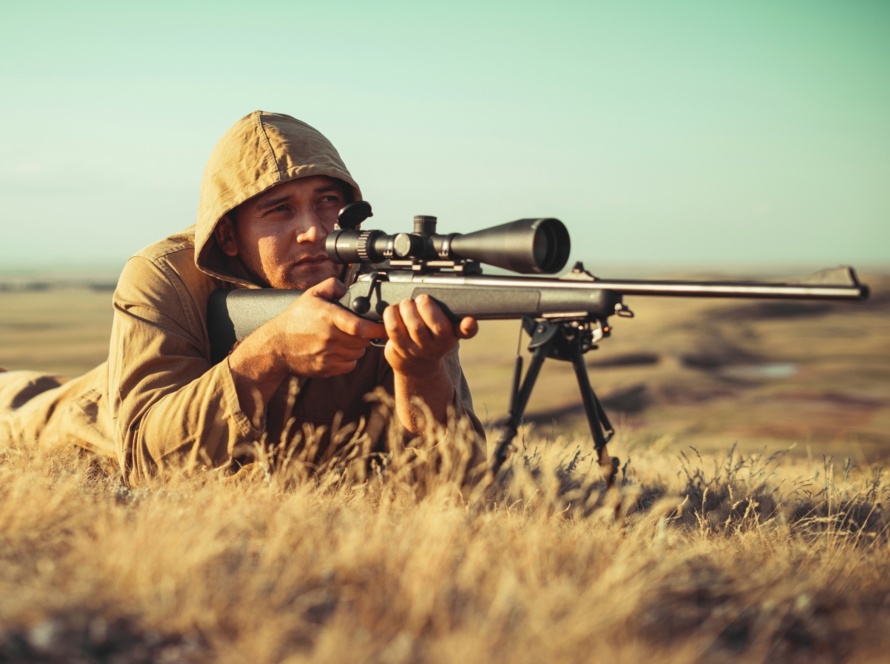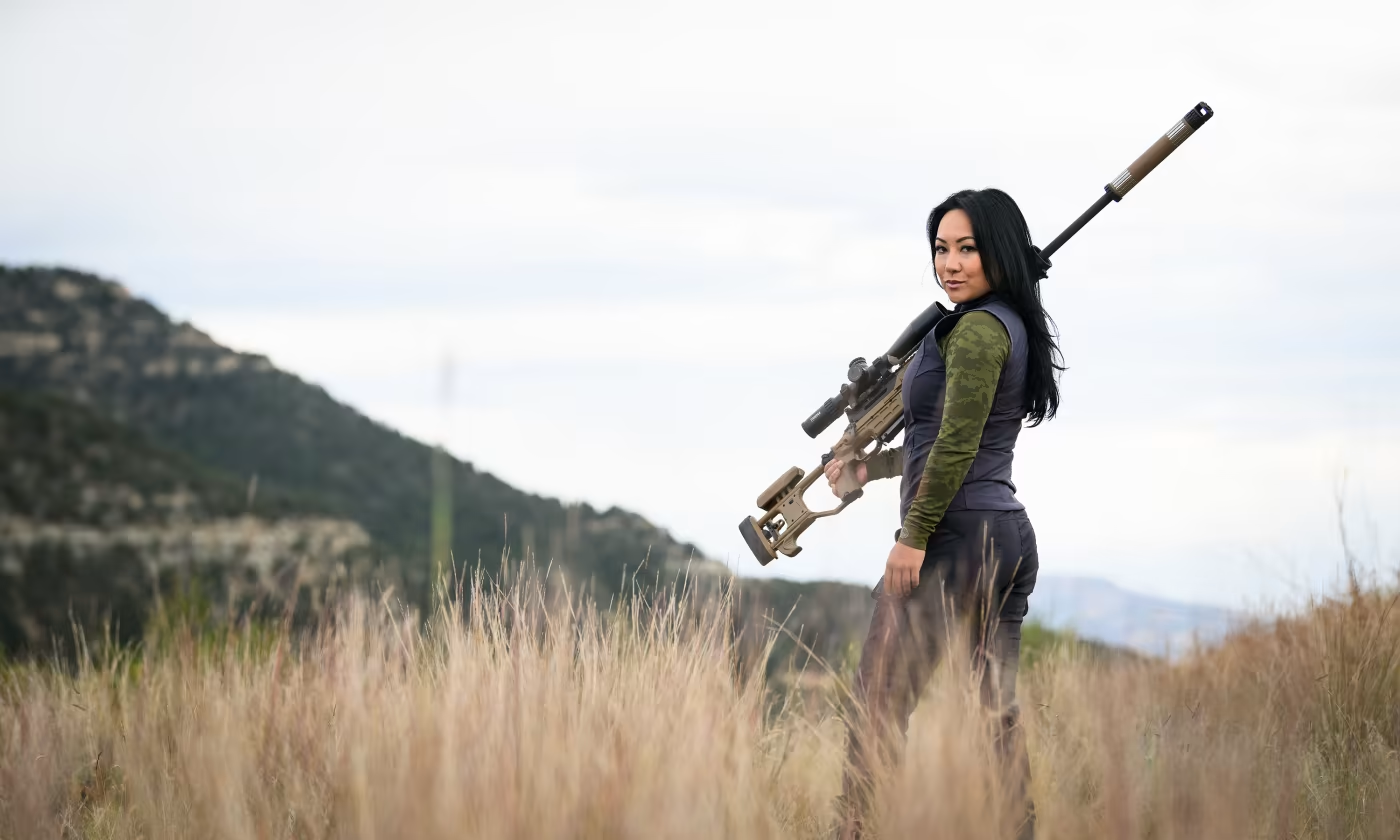
Achieving consistent accuracy at extended ranges is not merely a matter of steady aim; it is a complex calculation of physics, environmental variables, and mechanical consistency. For the South African hunter or sport shooter, mastering long-range precision shooting requires a deep technical understanding of how a projectile behaves once it leaves the muzzle. To transition from a casual shooter to a precision marksman, one must decode the variables that dictate the bullet’s flight path: specifically, the Ballistic Coefficient (BC) and the inevitable impact of wind drift.
Defining the Ballistic Coefficient: G1 vs. G7
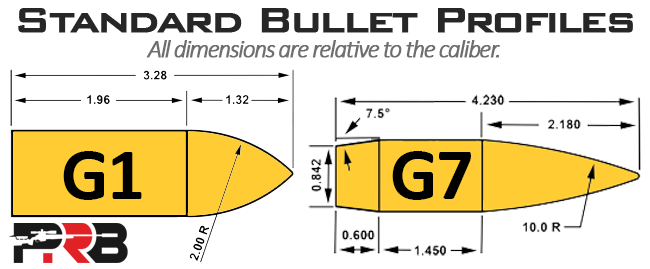
The Ballistic Coefficient is a dimensionless number that represents a projectile’s ability to overcome air resistance in flight. In simpler terms, it measures how “aerodynamic” a bullet is. A higher BC indicates that the bullet will retain its velocity better, resist wind more effectively, and follow a flatter trajectory.
In the precision shooting community, two primary models are used to measure BC:
- G1 Model: This is the standard model based on a flat-based projectile with a blunt nose. While common, it is often less accurate for modern, “boat-tail” long-range bullets.
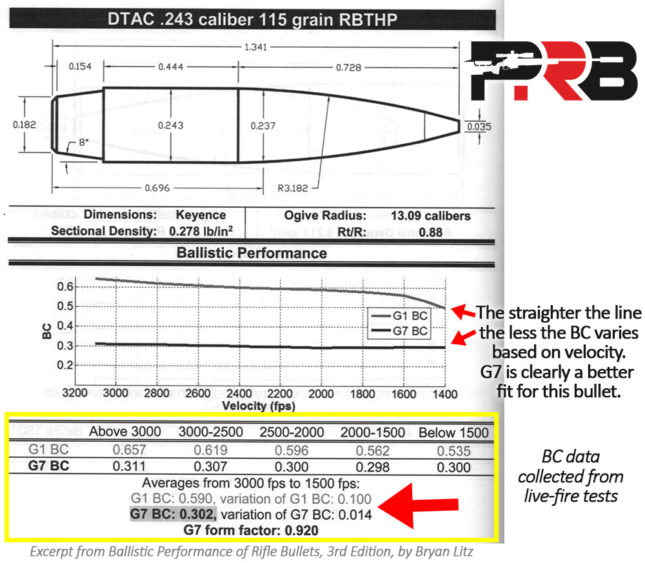
- G7 Model: This model is specifically designed for long, sleek, boat-tail projectiles. For the precision shooter using modern match-grade or high-performance hunting bullets, the G7 BC provides a much more consistent and reliable drag curve over long distances.
When selecting ammunition or components for long-range precision shooting, always look for the G7 BC if you are shooting beyond 300 meters. A high BC reduces the “margin of error” for the shooter by minimising the time the bullet is exposed to external forces like gravity and wind.
The Dynamics of External Ballistics
External ballistics is the study of the projectile’s flight between the muzzle and the target. Three primary forces act upon the bullet: gravity, air resistance (drag), and wind.
- Gravity (Drop): Gravity is a constant. If you know your muzzle velocity and the BC of your bullet, gravity is the easiest variable to account for using a ballistic calculator.
- Drag: As the bullet travels, air resistance slows it down. This is where the Ballistic Coefficient becomes critical. A bullet with a low BC slows down quickly, causing it to drop more rapidly and making it more susceptible to wind.
- Muzzle Velocity Consistency: Precision begins with the propellant. A variation in muzzle velocity (Standard Deviation) will lead to vertical dispersion at long ranges. For the modern marksman, achieving a consistent “Extreme Spread” (ES) is as vital as the aerodynamics of the bullet itself.
Mastering Wind Drift in the South African Veld
Wind drift is the most significant challenge in long-range precision shooting because, unlike gravity, it is not a constant. A 10 km/h crosswind can move a bullet several inches off-target at 500 meters, depending on the calibre and BC.
To master wind, the shooter must understand the “Wind Column.” Wind rarely moves at a constant speed or direction from the muzzle to the target. It may be blowing left-to-right at the firing line but right-to-left at the target.
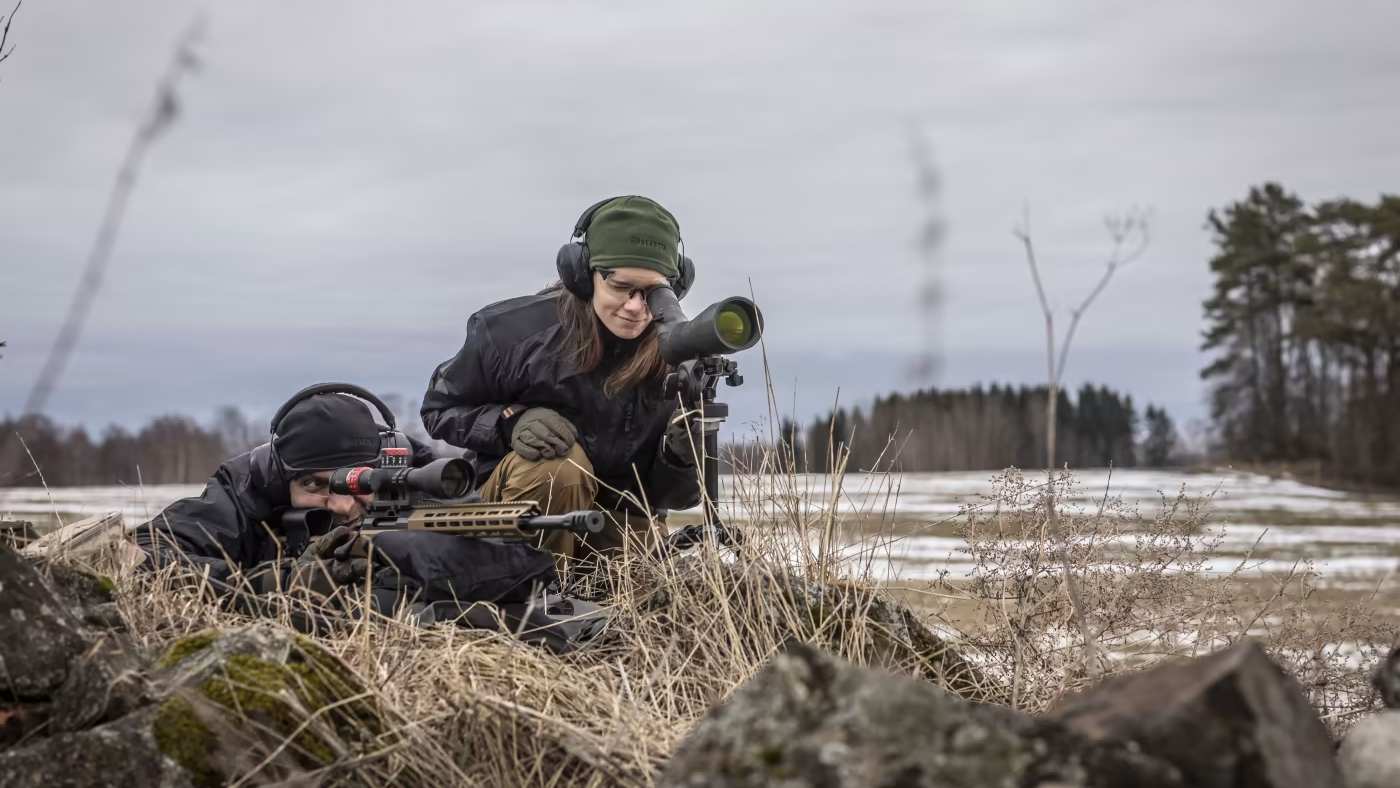
Methods for Reading Wind:
- Mirage Observation: Using high-quality optics to observe the heat waves (mirage) can indicate wind speed and direction near the target.
- Environmental Cues: Watching the movement of grass, trees, or dust in the South African bush provides real-time data on wind behaviour.
- Kestrel/Ballistic Weather Stations: For the ultimate in precision, electronic sensors provide exact wind speed and density altitude, which are then fed into a ballistic solver.
The Role of High-Performance Optics
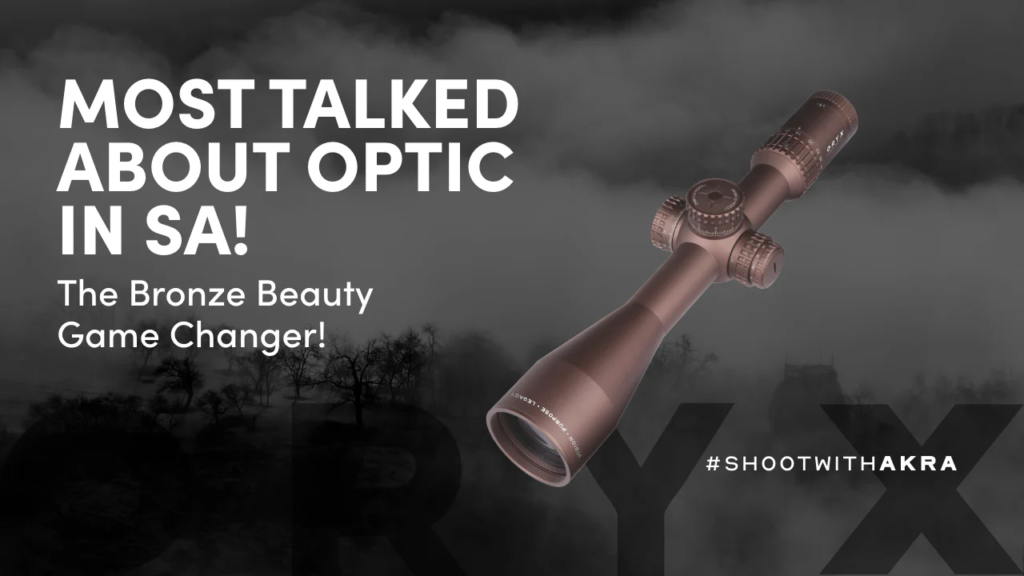
View the Akra Oryx range HERE
You cannot hit what you cannot see clearly. In the realm of long-range precision shooting, the quality of your glass is paramount. Modern optics from manufacturers like Arken, Akra, and PARD provide the clarity and mechanical tracking necessary for precise adjustments.
A “tracking test” is essential for any precision rifle. This ensures that when you dial 5 Mils or 15 MOA on your turret, the internal reticle moves exactly that amount. High-end optics offer zero stops and first focal plane (FFP) reticles, allowing the marksman to hold for wind or elevation at any magnification setting without losing the scale of the reticle.
Technical Specifications Table: Common Long-Range Calibres
| Caliber | Bullet Weight (gr) | Typical G1 BC | Typical G7 BC | Ideal Application |
| 6.5 Creedmoor | 143 | 0.625 | 0.315 | Long-range target / Medium game |
| .308 Winchester | 175 | 0.505 | 0.243 | Tactical / Versatile Hunting |
| .300 Win Mag | 200 | 0.620 | 0.318 | Large game / Extreme distance |
| .338 Lapua Mag | 250 | 0.675 | 0.336 | Extreme Long Range (ELR) |
Key Opportunities to Extend Competitive Advantage
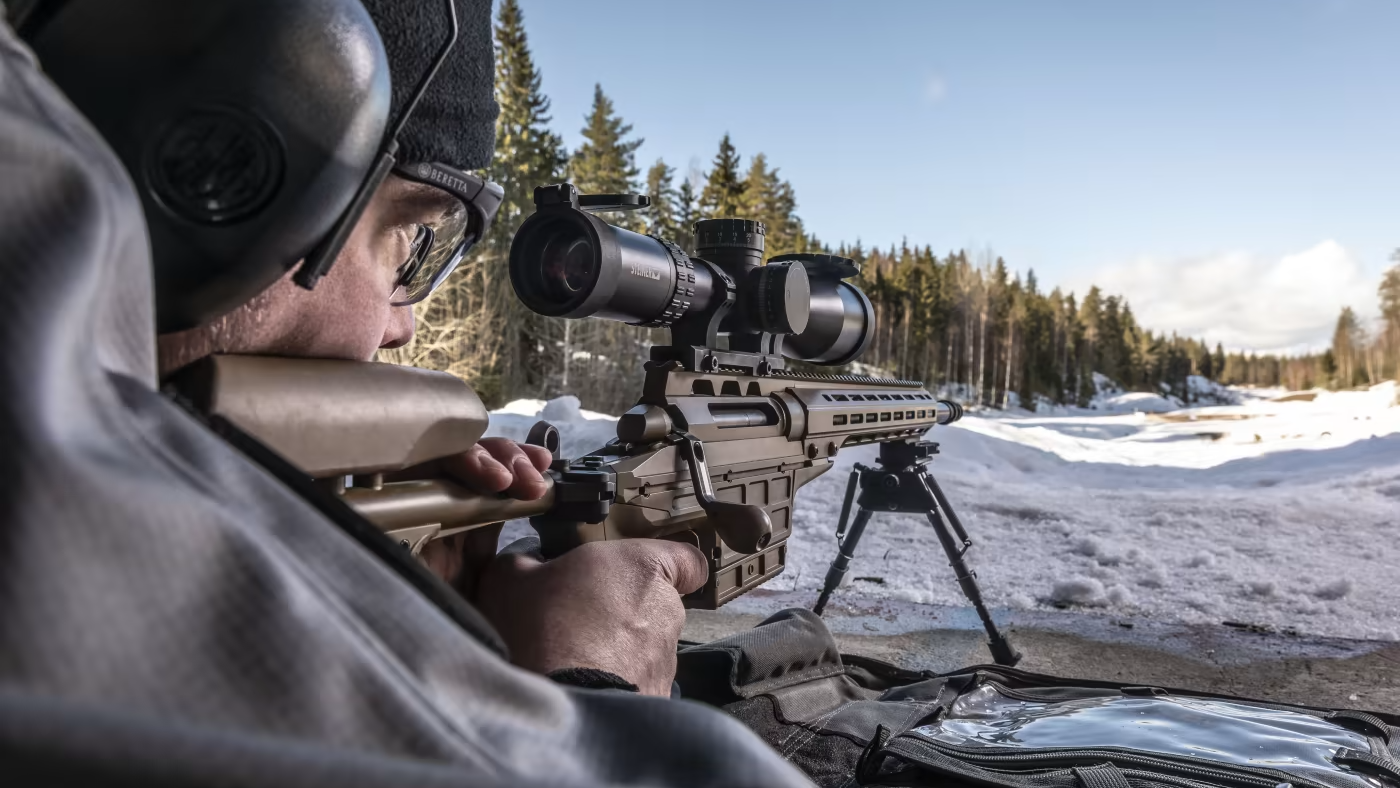
At Gridlock, we recognise that the difference between a hit and a miss often comes down to the quality of the data and the equipment used. By focusing on high-BC projectiles and pairing them with precision-engineered optics, shooters can significantly extend their effective range. The competitive advantage lies in the integration of technology, using laser rangefinders with built-in ballistic solvers and high-tracking-accuracy scopes. This systematic approach removes the guesswork, allowing the South African hunter to make ethical, one-shot kills and the sport shooter to dominate the leaderboard.
References:
- Applied Ballistics for Long-Range Shooting by Bryan Litz.
- Sierra Bullets Technical Ballistic Data.
- Hornady Manufacturing – Understanding Ballistic Coefficients.
- Arken Optics Technical Manuals.
Join the Gridlock Marksman Community
Precision is a lifelong pursuit, and the best insights often come from those who have spent years behind the trigger in the diverse conditions of the South African veld. Whether you are a competitive long-range shooter or a dedicated bushveld hunter, your experience is invaluable to the community.
We want to hear from you:
- The Wind Factor: What is your primary “tell” for reading wind when a Kestrel isn’t available? Do you rely on mirage, or do you have a specific environmental cue in the Highveld that never fails you?
- BC Realities: Have you found a significant difference in your “true” drops when switching from G1 to G7 ballistic models in your specific calibre?
- Maintenance Lessons: Is there a specific maintenance step you’ve added to your post-season routine after a gear failure in the field?
Share your insights and technical tips in the comments below. By sharing our collective knowledge, we ensure that the South African shooting community remains one of the most proficient and ethical in the world.