Introduction
Welcome to Gridlock Arms and Outdoor’s comprehensive guide to mastering firearm knowledge. Whether you’re a novice shooter or a seasoned enthusiast, understanding the intricacies of firearm types and parts is essential for advancing your shooting skills. In this in-depth guide, we’ll delve into the nuances of different firearm types and explore the key components that make up these powerful tools.

1. Delving into Firearm Knowledge on Categories
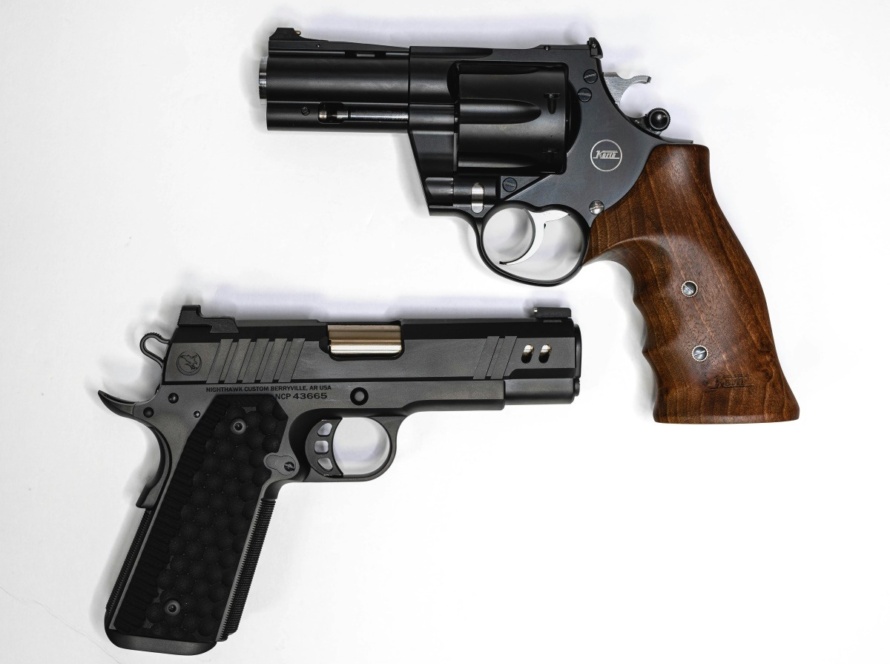
When it comes to firearms, there are several distinct categories, each with its own unique attributes and capabilities. The three primary categories include pistols, rifles, and shotguns. Pistols are compact handguns designed for one-handed operation, offering versatility and ease of concealment. Rifles, on the other hand, are long guns equipped with a rifled barrel for increased accuracy over long distances. Lastly, shotguns are formidable firearms renowned for their versatility, capable of firing a variety of projectiles, including shot and slugs.
2. Unveiling the Anatomy of Firearms
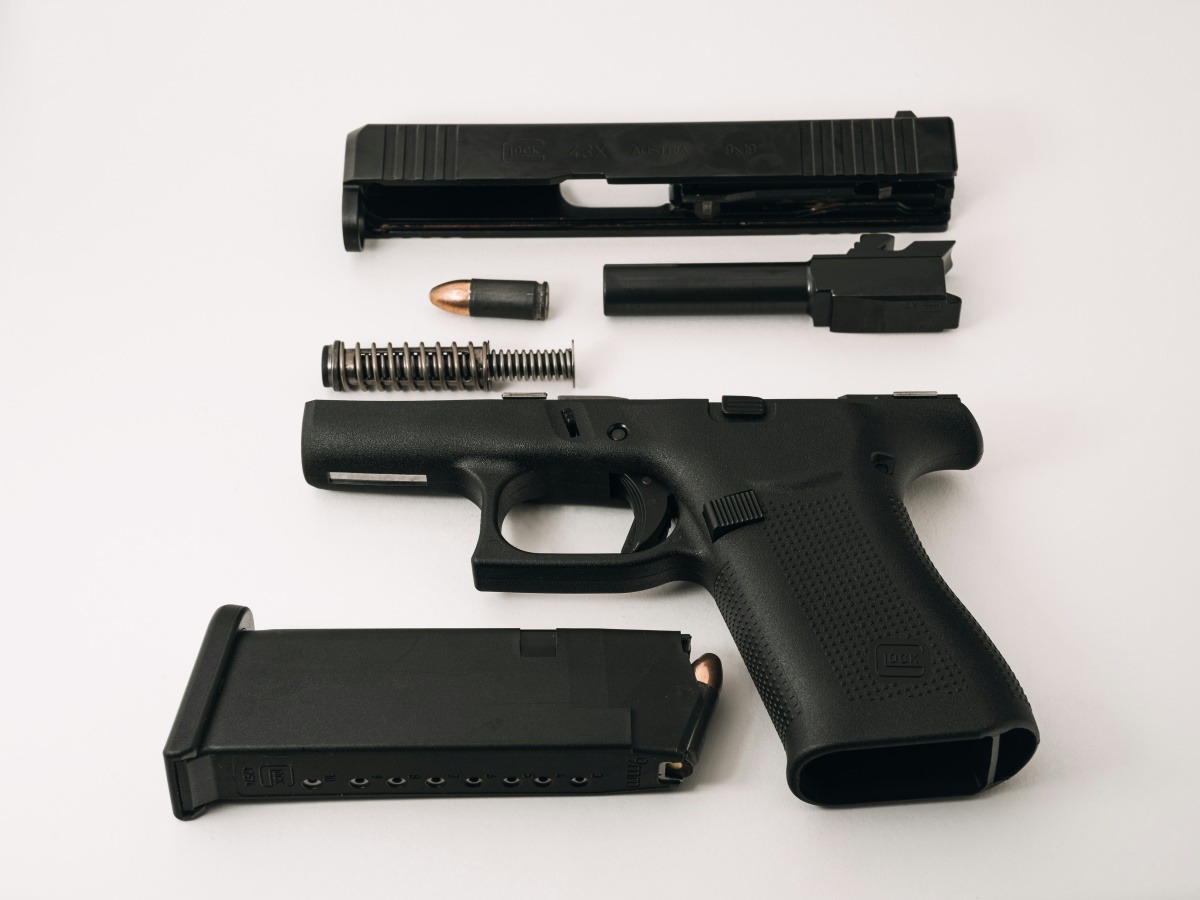
To truly master firearm knowledge, one must have a deep understanding of the intricate components that comprise these powerful tools. The anatomy of a firearm encompasses various parts, each playing a crucial role in its functionality. From the barrel, which serves as the conduit for projectile propulsion, to the action, which facilitates the loading, firing, and ejection of cartridges, every component contributes to the firearm’s overall performance and effectiveness.
3. Exploring Diverse Action Mechanisms
Firearms come equipped with a diverse array of action mechanisms, each offering distinct advantages and capabilities. Among the most common action types are semi-automatic, bolt-action, pump-action, and lever-action. Semi-automatic firearms utilize the energy from the previous round to chamber the next round automatically, allowing for rapid and efficient firing. Bolt-action firearms, on the other hand, require manual operation of the bolt to cycle rounds, offering exceptional accuracy and reliability. Pump-action and lever-action firearms feature a manually operated mechanism for cycling rounds, providing shooters with reliable performance and intuitive operation.
4. Harnessing the Power of Safety Features
Safety is paramount in the world of firearms, and understanding the various safety features is essential for responsible firearm ownership. Modern firearms are equipped with a range of safety mechanisms, including manual safeties, grip safeties, and trigger safeties. These features serve to prevent accidental discharges and ensure safe handling and operation at all times. By familiarizing yourself with these safety features, you can enjoy peace of mind knowing that you’re equipped to handle firearms safely and responsibly.
Conclusion
Congratulations on unlocking the secrets of firearm types and parts! By delving into the intricacies of different firearm categories, exploring the anatomy of firearms, and understanding diverse action mechanisms and safety features, you’ve taken a significant step towards mastering firearm knowledge. We encourage you to continue honing your skills and expanding your understanding of firearms. If you have any questions or insights to share, we invite you to leave a comment below.
Read our previous post on INTRODUCTION TO FIREARM SAFETY: ESSENTIAL TIPS FOR BEGINNERS
Want more information on firearms? Read more here about what Wikipedia says.