Mastering Pistol Handling: Essential Tips for Novice Shooters Part 1

Gridlock New to shooting page image 4 resized 1200x900 1

Introduction

Welcome to Gridlock Arms and Outdoor’s guide to mastering pistol handling. Whether you’re a novice shooter or looking to refine your skills, proper pistol handling is essential for safety and accuracy. In this guide, we’ll provide you with expert tips and techniques to improve your grip, stance, and overall proficiency with a pistol.
pistol handling

1. Perfecting Your Pistol Handling Grip

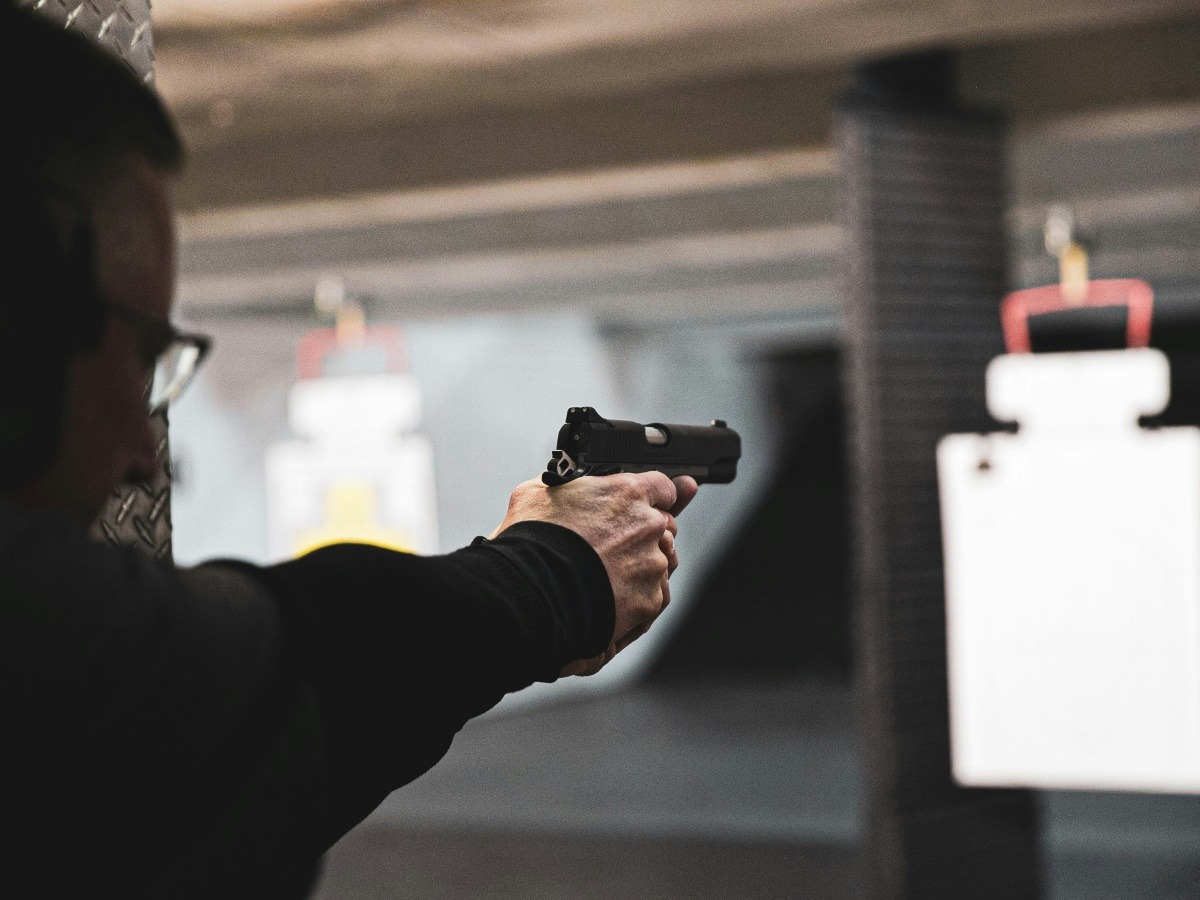
A proper grip is the foundation of effective pistol handling. Start by ensuring a firm grasp on the pistol with your dominant hand, positioning your index finger along the frame above the trigger guard. Wrap your remaining fingers around the grip, applying consistent pressure to maintain control. Use your non-dominant hand to support the pistol, with the thumb pointing forward alongside the frame for stability.

2. Mastering Your Stance

Your stance plays a crucial role in controlling recoil and maintaining accuracy while shooting. Adopt a stable stance with your feet shoulder-width apart, slightly bent at the knees. Distribute your weight evenly between both feet and lean slightly forward towards the target. Keep your upper body relaxed but engaged, with your arms extended fully towards the target.

3. Understanding Pistol Operation

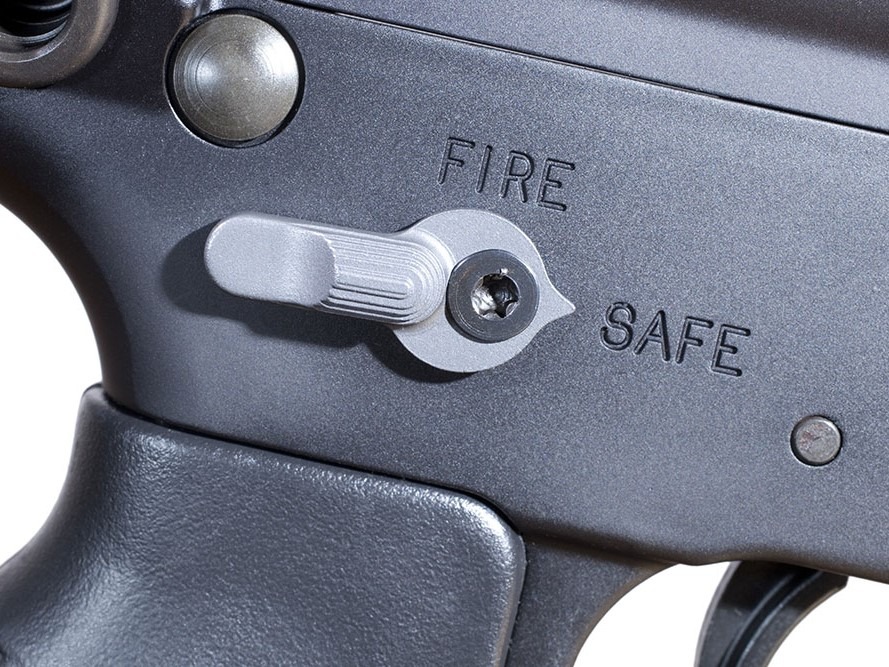
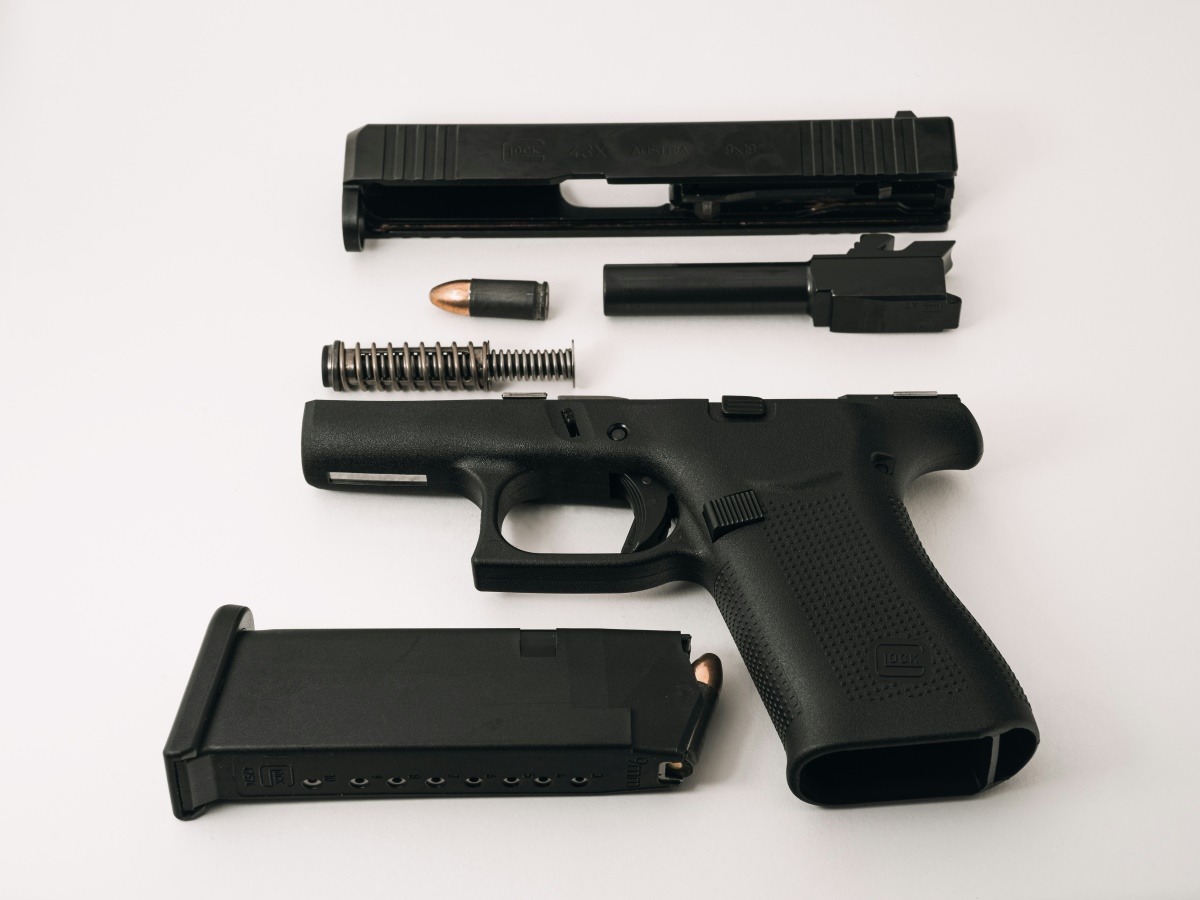
Before firing a shot, familiarize yourself with the operation of the pistol. Ensure the pistol is unloaded and the safety is engaged before handling. To load the pistol, insert a loaded magazine into the grip and rack the slide to chamber a round. When ready to fire, align the sights with the target, and gently squeeze the trigger while maintaining proper grip and stance. After firing, release the magazine, clear the chamber, and engage the safety before holstering or storing the pistol.

4. Practicing Safe Handling Habits

Safety should always be your top priority when handling a pistol. Treat every pistol as if it’s loaded, even if you know it isn’t. Keep the muzzle pointed in a safe direction at all times, and keep your finger off the trigger until you’re ready to shoot. Always wear appropriate eye and ear protection when shooting, and be aware of your surroundings at all times.

Conclusion

Congratulations on taking the first step towards mastering pistol handling! By implementing the tips and techniques outlined in this guide, you’ll be well on your way to becoming a confident and proficient shooter. If you have any questions or would like to share your experiences, we invite you to leave a comment below.

Read our previous post on MASTERING FIREARM KNOWLEDGE: UNLOCK THE SECRETS OF FIREARM TYPES AND PARTS PART 1
Mastering Firearm Knowledge: Unlock the Secrets of Firearm Types and Parts Part 1

Gridlock New to shooting page image 2 Resized 1200x900 1

Introduction

Welcome to Gridlock Arms and Outdoor’s comprehensive guide to mastering firearm knowledge. Whether you’re a novice shooter or a seasoned enthusiast, understanding the intricacies of firearm types and parts is essential for advancing your shooting skills. In this in-depth guide, we’ll delve into the nuances of different firearm types and explore the key components that make up these powerful tools.

firearm knowledge

1. Delving into Firearm Knowledge on Categories

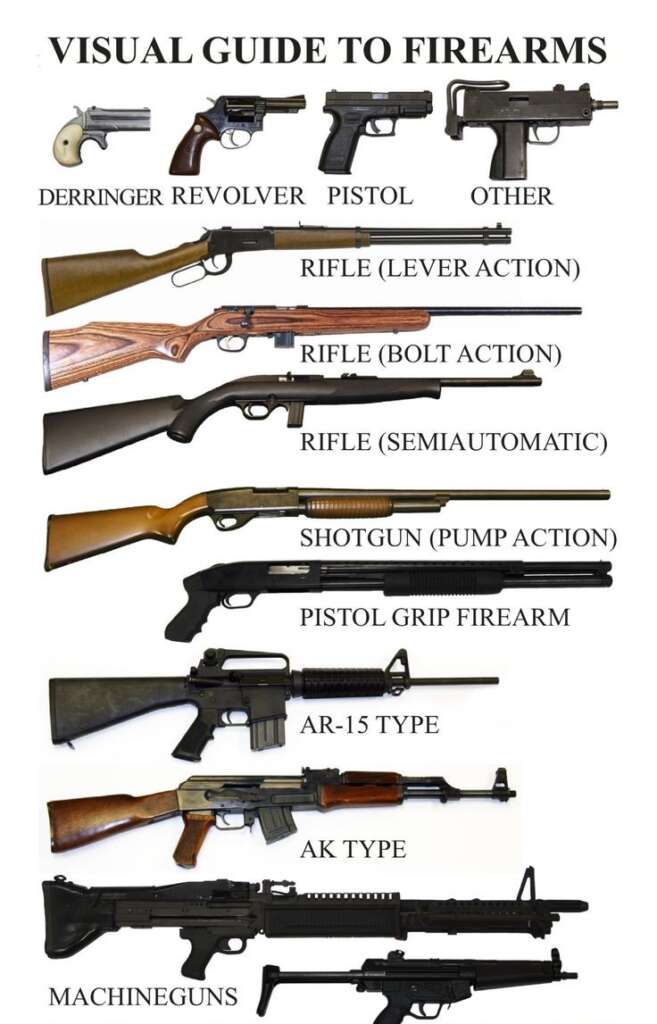
When it comes to firearms, there are several distinct categories, each with its own unique attributes and capabilities. The three primary categories include pistols, rifles, and shotguns. Pistols are compact handguns designed for one-handed operation, offering versatility and ease of concealment. Rifles, on the other hand, are long guns equipped with a rifled barrel for increased accuracy over long distances. Lastly, shotguns are formidable firearms renowned for their versatility, capable of firing a variety of projectiles, including shot and slugs.

2. Unveiling the Anatomy of Firearms

To truly master firearm knowledge, one must have a deep understanding of the intricate components that comprise these powerful tools. The anatomy of a firearm encompasses various parts, each playing a crucial role in its functionality. From the barrel, which serves as the conduit for projectile propulsion, to the action, which facilitates the loading, firing, and ejection of cartridges, every component contributes to the firearm’s overall performance and effectiveness.

3. Exploring Diverse Action Mechanisms

Firearms come equipped with a diverse array of action mechanisms, each offering distinct advantages and capabilities. Among the most common action types are semi-automatic, bolt-action, pump-action, and lever-action. Semi-automatic firearms utilize the energy from the previous round to chamber the next round automatically, allowing for rapid and efficient firing. Bolt-action firearms, on the other hand, require manual operation of the bolt to cycle rounds, offering exceptional accuracy and reliability. Pump-action and lever-action firearms feature a manually operated mechanism for cycling rounds, providing shooters with reliable performance and intuitive operation.

4. Harnessing the Power of Safety Features

Safety is paramount in the world of firearms, and understanding the various safety features is essential for responsible firearm ownership. Modern firearms are equipped with a range of safety mechanisms, including manual safeties, grip safeties, and trigger safeties. These features serve to prevent accidental discharges and ensure safe handling and operation at all times. By familiarizing yourself with these safety features, you can enjoy peace of mind knowing that you’re equipped to handle firearms safely and responsibly.

Conclusion

Congratulations on unlocking the secrets of firearm types and parts! By delving into the intricacies of different firearm categories, exploring the anatomy of firearms, and understanding diverse action mechanisms and safety features, you’ve taken a significant step towards mastering firearm knowledge. We encourage you to continue honing your skills and expanding your understanding of firearms. If you have any questions or insights to share, we invite you to leave a comment below.

Read our previous post on INTRODUCTION TO FIREARM SAFETY: ESSENTIAL TIPS FOR BEGINNERS

Want more information on firearms? Read more here about what Wikipedia says.